
 Canada
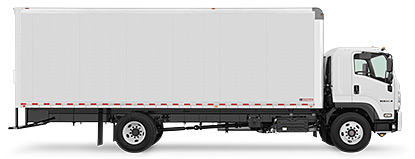
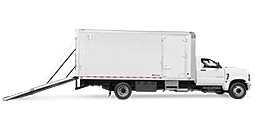
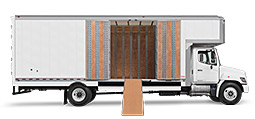
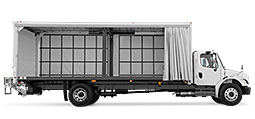
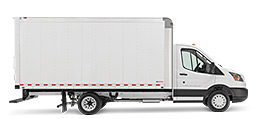
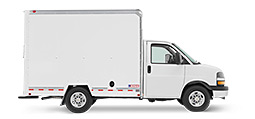
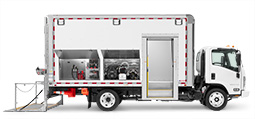

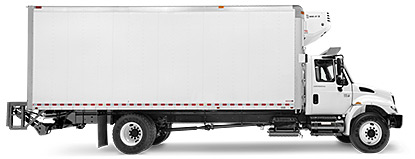
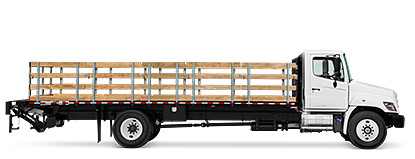
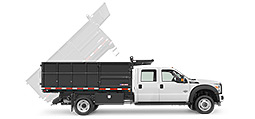
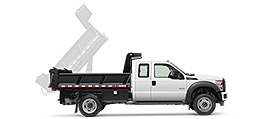
Commercial truck bodies are typically built using a combination of aluminum, steel, composite materials, wood, fiberglass-reinforced plastics (FRP), and engineered flooring systems. Rather than relying on a single material, manufacturers select different materials for specific components based on the required balance of strength, weight, durability, corrosion resistance, and cost.
For example, aluminum is commonly used for structural components because it provides excellent strength while helping reduce vehicle weight. Steel may be used in high-load or wear-prone areas where additional structural strength is required. Composite panels are increasingly popular for sidewalls because they create smooth surfaces, resist corrosion, and reduce the number of seams throughout the body.
The floor is often constructed differently from the walls. Hardwood or engineered composite flooring is frequently specified to withstand concentrated loads from forklifts, pallet jacks, and heavy cargo.
Modern truck body design focuses on selecting materials that work together rather than relying on one material throughout the entire structure. The appropriate combination depends on the vehicle’s intended application, expected service life, operating environment, and maintenance requirements.
Morgan uses a combination of engineered materials across its product lines, including proprietary MorganBond® composite construction in select dry freight bodies, to optimize durability and long-term performance for specific applications.
 800-666-7426
  Contact Us