
 Canada
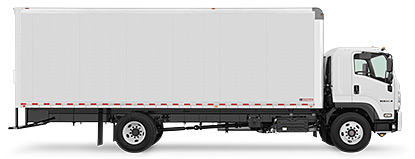
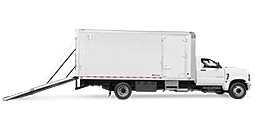

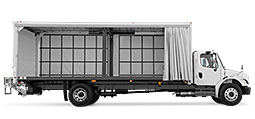


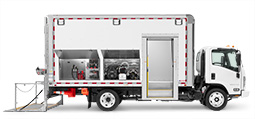

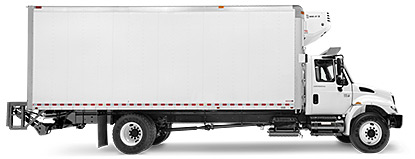
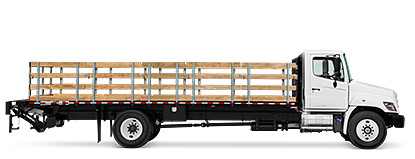


Composite and aluminum truck bodies are both widely used in commercial fleets, but they achieve durability in different ways.
Composite bodies use engineered laminated wall panels that combine several materials into a single structural assembly. This construction can provide smooth interior and exterior surfaces while reducing the number of panel joints throughout the body. Composite panels are often selected for their appearance, resistance to corrosion, and ability to withstand years of commercial use with relatively low maintenance.
Aluminum bodies, on the other hand, use aluminum structural members and exterior skins. Aluminum’s primary advantage is its high strength-to-weight ratio and natural resistance to rust. It has been a popular material for truck body construction because it helps reduce vehicle weight while providing long service life.
The best choice depends on the application. Fleets operating in corrosive environments or seeking smooth wall construction may prefer composite technology. Businesses focused on lightweight construction or certain repair practices may choose aluminum. Many manufacturers, including Morgan, incorporate aluminum components into composite-bodied designs to combine the strengths of multiple materials.
Rather than asking which material is universally “better,” fleet managers should evaluate cargo type, operating environment, maintenance expectations, lifecycle costs, and repair considerations.
 800-666-7426
  Contact Us