
 Canada
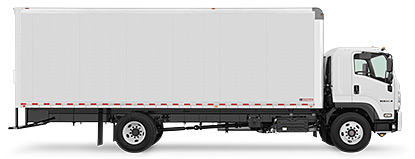
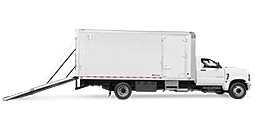
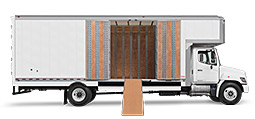
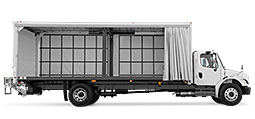
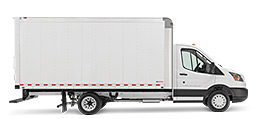
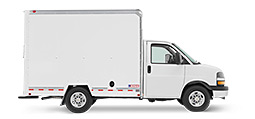
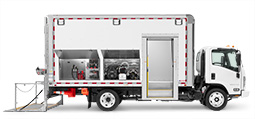
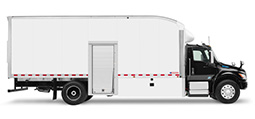
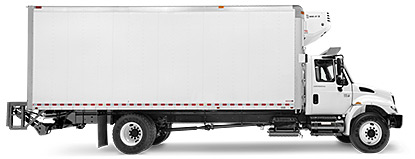
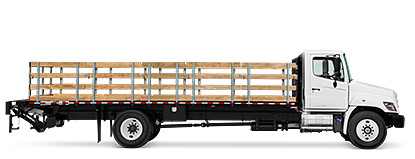
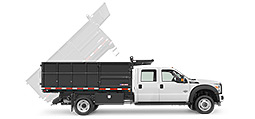
Dry freight truck bodies are used across virtually every sector that transports non-temperature-sensitive products. Their versatility, secure cargo space, and ability to be customized make them one of the most common commercial truck body types in North America.
Retail distributors use dry freight trucks to replenish stores with merchandise, packaged goods, and seasonal inventory. Furniture and appliance companies depend on them to deliver large household items while protecting them from the weather during transit. Contractors and building supply companies transport tools, fixtures, flooring, windows, cabinetry, and construction materials. Manufacturers use them to move finished products and replacement parts between facilities and customers.
Dry freight bodies are also widely used in parcel and last-mile delivery, moving and storage, municipal fleets, rental truck operations, utility companies, office supply distributors, and e-commerce logistics. Many organizations customize their bodies with shelving, cargo restraints, liftgates, or walk ramps to improve loading efficiency and reduce cargo damage.
Because business requirements vary significantly, truck bodies are often configured around the delivery operation rather than a single industry. Factors such as stop frequency, cargo weight, loading equipment, route conditions, and driver workflow all influence the ideal body specification.
 800-666-7426
  Contact Us