 Canada
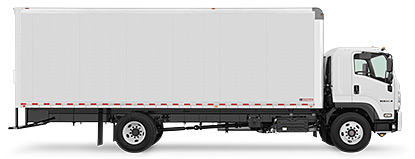
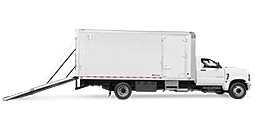
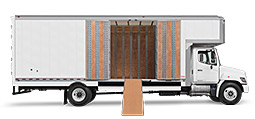
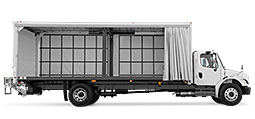
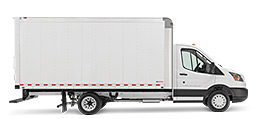
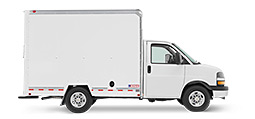
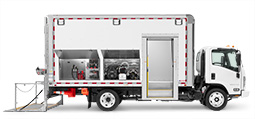
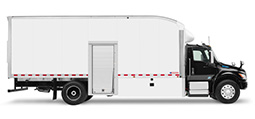
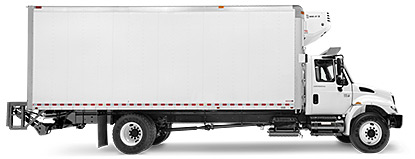
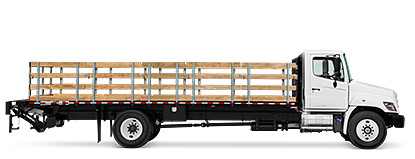
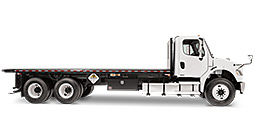
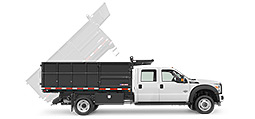
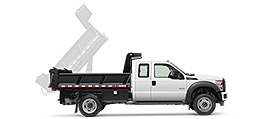
Sheet-and-post construction and composite panel construction represent two different approaches to building enclosed truck bodies.
Traditional sheet-and-post bodies use separate structural posts with exterior metal sheets mechanically fastened to the framework. This proven design has been used for decades and remains common in many commercial applications because it provides structural strength and repair flexibility.
Composite construction replaces much of that assembly with engineered laminated wall panels. These panels combine multiple materials into larger structural sections, reducing the number of seams and fasteners throughout the body. The result is typically a smoother interior and exterior surface with fewer exposed joints.
Neither approach is universally better. Sheet-and-post construction may be preferred for certain vocational applications or repair philosophies, while composite construction is often selected for corrosion resistance, appearance, reduced maintenance, and long-term durability.
The best choice depends on the vehicle’s operating environment, cargo requirements, expected service life, and fleet maintenance strategy rather than construction method alone.
 800-666-7426
  Contact Us