 Canada
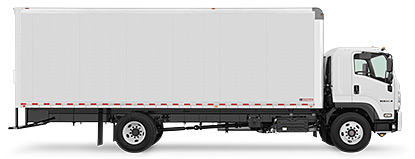
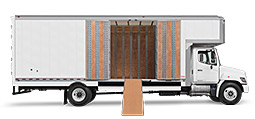
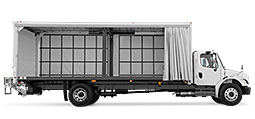
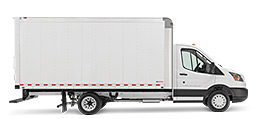
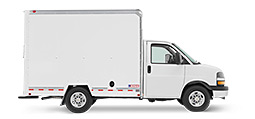
Although often overlooked, the roof design influences cargo protection, durability, and driver productivity. Most dry freight truck bodies use a solid aluminum roof structure designed to keep water out while withstanding normal operating conditions and environmental exposure.
Many fleets choose translucent roof panels, which allow natural daylight into the cargo area. This improves interior visibility during loading and unloading while reducing reliance on interior lighting during daylight hours. Better visibility can also help drivers locate products more quickly and reduce loading errors.
Operations transporting sensitive products may prioritize maximum weather resistance and insulation, while other fleets focus on minimizing maintenance or reducing overall body weight. Roof construction should also be compatible with optional equipment such as interior lighting or cargo tracking systems.
Like the rest of the truck body, regular inspection of roof seals and fasteners helps prevent leaks and extends the service life of the cargo enclosure.
 800-666-7426
  Contact Us