 Canada
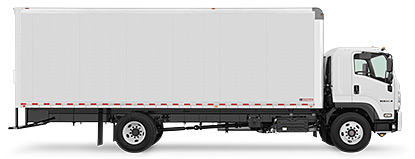
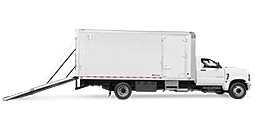
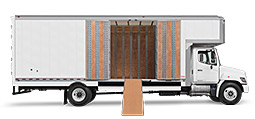
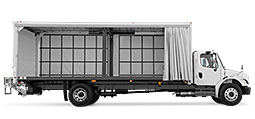
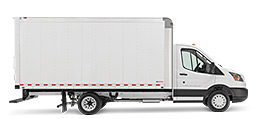
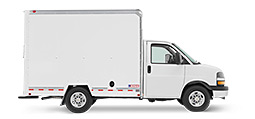
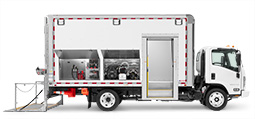
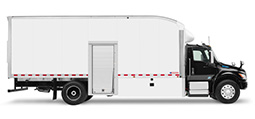
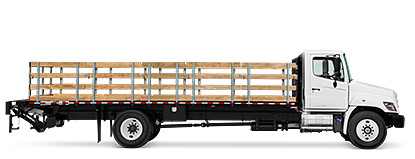
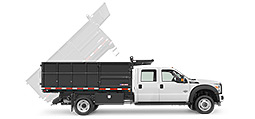
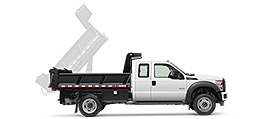
The right dry freight truck body is the one that supports your daily operation—not simply the largest or least expensive option. Start by identifying what you’ll be transporting, how products are loaded and unloaded, the average weight and dimensions of each load, and how frequently deliveries are made. A truck making hundreds of urban delivery stops has very different requirements than one hauling palletized freight between warehouses.
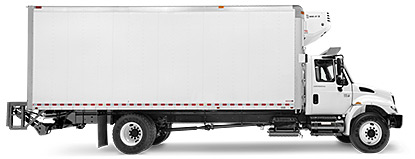
Next, consider how the cargo enters and exits the body. Forklift loading may require wider rear door openings and reinforced flooring, while hand-loaded routes may benefit from side-access doors or interior shelving. Liftgates, cargo restraint systems, and interior lighting can also improve safety and efficiency depending on your operation.
Vehicle weight, chassis compatibility, and legal payload limits should be evaluated alongside body length and height. Choosing a body that’s too small can reduce productivity, while an oversized body may carry unnecessary weight and operating costs.
Morgan offers a variety of dry freight configurations, including composite and aluminum-bodied solutions, allowing fleets to match the truck body to the job rather than forcing the job to fit the truck.
Related Morgan Pages
https://www.morgancorp.com/dry-freight/gold-star/
https://www.morgancorp.com/legacy-options/cargo-controls/
https://www.morgancorp.com/legacy-options/liftgates/
 800-666-7426
  Contact Us