
 Canada

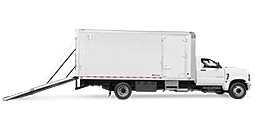

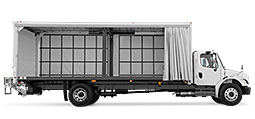


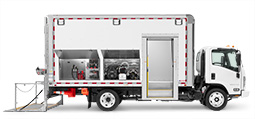






A well-designed refrigerated truck body helps reduce the workload placed on the refrigeration system by slowing heat transfer into the cargo area. Improved insulation, tightly sealed doors, and thermally efficient body construction allow the refrigeration unit to cycle less frequently while maintaining the desired cargo temperature.
Operational practices also play a significant role. Pre-cooling the cargo area before loading, minimizing door-open time, organizing deliveries efficiently, and maintaining door seals all contribute to lower energy consumption.
Fleet managers should also ensure refrigeration equipment is properly matched to the body size and delivery application. Oversized or undersized systems can reduce operating efficiency and increase fuel or electrical consumption.
Because refrigeration equipment often operates for many hours each day, even modest improvements in thermal efficiency can reduce operating costs over the life of the vehicle while helping maintain more consistent cargo temperatures.
 800-666-7426
  Contact Us