
 Canada
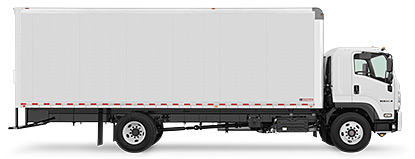
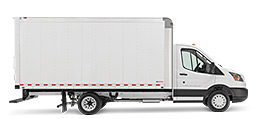


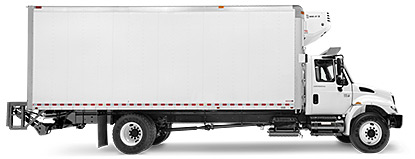



Yes. Refrigerated truck bodies are commonly used to transport frozen foods when equipped with an appropriately sized refrigeration unit and insulation package designed for frozen applications.
Frozen products require consistent low temperatures throughout transportation to preserve quality, prevent partial thawing, and comply with food safety requirements. Maintaining those temperatures depends not only on the refrigeration equipment but also on minimizing heat gain through the body and reducing warm air infiltration during deliveries.
Operators should pre-cool both the cargo and the truck body before loading whenever possible. Proper loading practices, unobstructed airflow, and limiting door openings help maintain consistent temperatures throughout the route.
Businesses transporting frozen products often use temperature monitoring systems that record cargo temperatures continuously, providing documentation for quality assurance and regulatory compliance.
 800-666-7426
  Contact Us