
 Canada

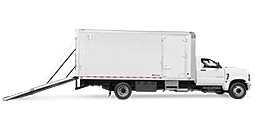

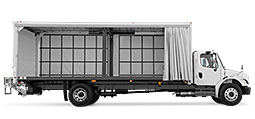


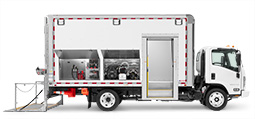






A refrigerated truck body maintains cargo temperature by combining insulated construction with an independent refrigeration unit. While the refrigeration system produces cooling, the insulated body helps retain that cooled air by slowing the transfer of heat from outside the vehicle.
The refrigeration unit typically draws power from its own diesel engine, the truck’s engine, an electric standby connection, or a battery-powered system, depending on the application. Cold air circulates throughout the cargo area while temperature sensors continuously monitor conditions and adjust cooling output as needed.
Proper airflow inside the body is equally important. Cargo should be loaded to allow air circulation around products rather than blocking evaporator airflow or placing freight directly against insulated walls. Overloading or improper stacking can reduce cooling efficiency and create temperature variations throughout the cargo area.
The system works best when drivers minimize unnecessary door openings and ensure doors seal tightly after every delivery. Together, insulation, refrigeration equipment, airflow management, and operating practices help maintain consistent temperatures throughout the delivery route.
 800-666-7426
  Contact Us