
 Canada
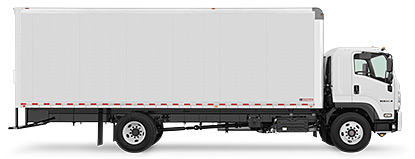
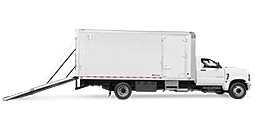
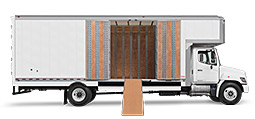
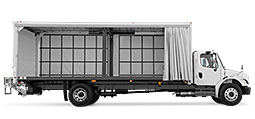
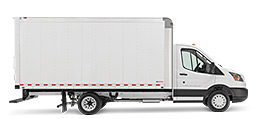
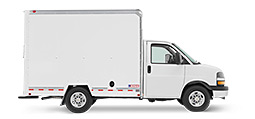
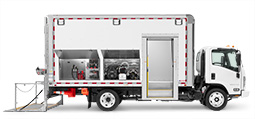
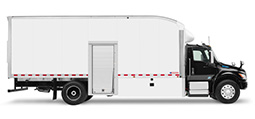
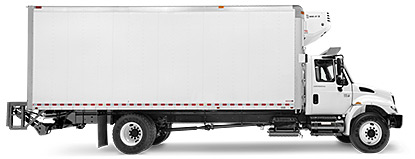
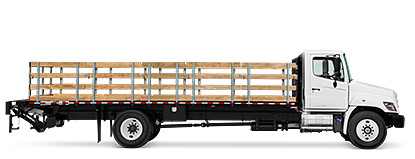
The primary difference is temperature control. A dry freight truck body protects cargo from weather and theft, but does not regulate the temperature inside the cargo area. A refrigerated truck body—often called a reefer body—uses insulated walls and a refrigeration unit to maintain specific temperatures for products that must remain chilled or frozen during transport.
Dry freight bodies are commonly used for furniture, retail merchandise, appliances, paper products, industrial equipment, packaged consumer goods, and other cargo that can be safely transported at ambient temperatures. They prioritize payload capacity, cargo protection, and operational flexibility.
Refrigerated truck bodies are designed for products whose quality or safety depends on controlled temperatures, including fresh produce, dairy products, frozen foods, pharmaceuticals, floral products, and certain medical supplies. Their insulated construction helps reduce heat transfer while the refrigeration system maintains the desired temperature throughout the route.
Choosing between the two depends entirely on the cargo being transported. Businesses hauling only non-perishable products typically benefit from the lower complexity and operating costs of a dry freight body. Operations handling temperature-sensitive products require a refrigerated body to help preserve product quality, comply with food safety regulations, and reduce spoilage.
 800-666-7426
  Contact Us