
 Canada
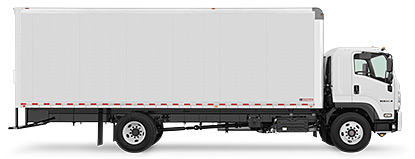
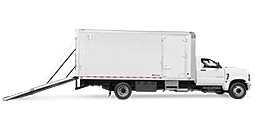

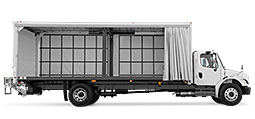
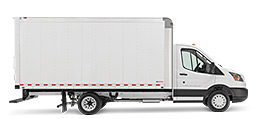

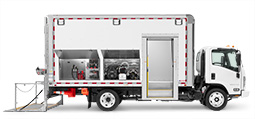

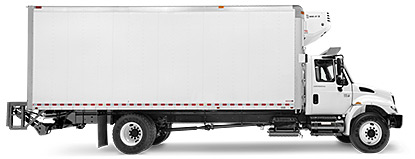



Although the terms are sometimes used interchangeably, they describe different types of truck bodies.
An insulated truck body uses insulated walls, roof, floor, and doors to slow heat transfer between the inside and outside of the cargo area. However, insulation alone does not actively cool the cargo. Instead, it helps preserve the temperature of products that are already chilled or frozen for relatively short periods.
A refrigerated truck body combines insulation with an active refrigeration system that continuously removes heat from the cargo area. This allows the truck to maintain specific temperatures over extended delivery routes, even during hot weather or repeated door openings.
For businesses transporting fresh or frozen food, pharmaceuticals, or other regulated products, a refrigerated truck body is generally required because it can actively maintain the desired temperature throughout the trip. An insulated body without refrigeration is better suited for applications where only temporary temperature retention is needed.
Understanding this distinction helps businesses choose equipment that matches both operational requirements and applicable food safety or product handling regulations.
 800-666-7426
  Contact Us