
 Canada
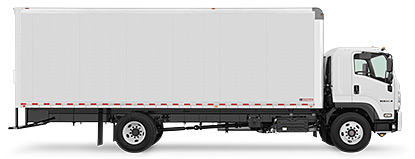
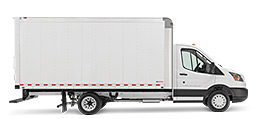

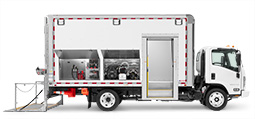

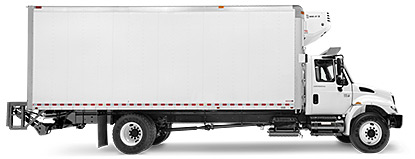
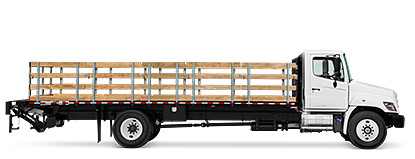
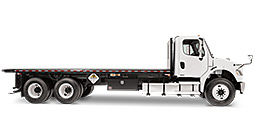


The temperature range of a refrigerated truck body depends primarily on the refrigeration unit, insulation design, ambient weather conditions, cargo load, and operating practices rather than the truck body alone.
Many commercial refrigeration systems are capable of maintaining chilled temperatures for fresh products as well as freezing temperatures for frozen foods when properly specified. However, actual performance depends on factors such as outside temperature, door opening frequency, cargo loading patterns, product temperature at loading, and refrigeration system capacity.
It’s important to understand that refrigerated truck bodies are designed to maintain product temperature, not rapidly cool warm cargo. Products should generally be pre-cooled before loading so the refrigeration system can preserve the desired temperature throughout transportation.
Businesses transporting regulated products should continuously monitor cargo temperatures using calibrated sensors or electronic recording systems to document compliance with customer requirements and applicable transportation standards.
 800-666-7426
  Contact Us