 Canada
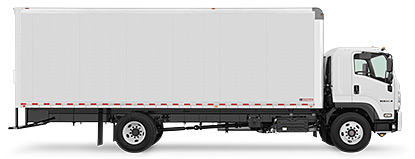
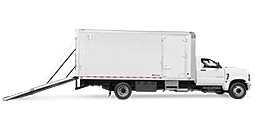
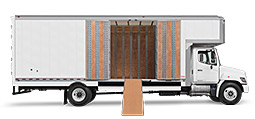
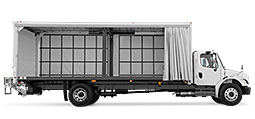
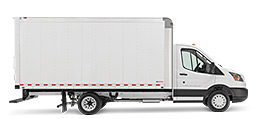
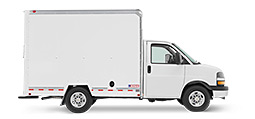
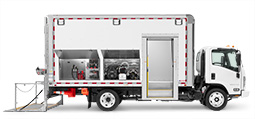
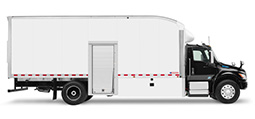
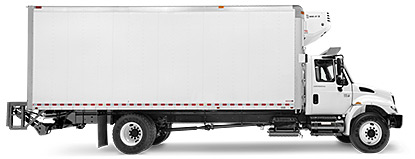
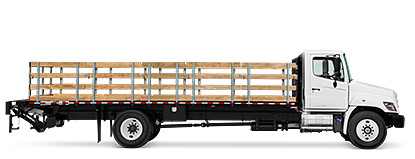
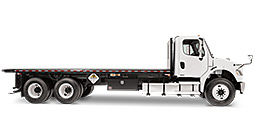
Last-mile delivery is the final stage of the transportation process, where goods are delivered from a distribution center or local hub directly to the customer. Although it covers the shortest distance in the supply chain, it is often the most time-consuming and expensive portion of the delivery process because it involves numerous stops, traffic congestion, customer scheduling, and residential access.
Last-mile delivery has grown rapidly with the expansion of e-commerce, grocery delivery, and direct-to-consumer shipping. Businesses now expect vehicles that can navigate urban environments efficiently while allowing drivers to complete deliveries quickly and safely.
Truck bodies designed for last-mile delivery typically emphasize ease of access, organized cargo storage, excellent visibility, and ergonomic driver movement. Features such as shelving, interior lighting, roll-up doors, and walk-through designs can help reduce delivery time at each stop.
Selecting equipment that matches the delivery environment can improve productivity while reducing driver fatigue throughout the workday.
 800-666-7426
  Contact Us