
 Canada






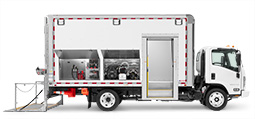






There is no universal replacement schedule because service life depends on operating conditions, maintenance practices, and business requirements rather than vehicle age alone.
Fleet managers often evaluate replacement decisions by considering structural condition, repair history, downtime, maintenance costs, safety, reliability, and whether the body continues to meet operational needs. Some truck bodies remain productive for many years with proper maintenance, while others may justify earlier replacement due to changing business demands or increasing repair frequency.
Replacement decisions should also consider technological improvements, productivity gains, and evolving customer expectations. Newer truck body designs may offer operational advantages that improve long-term business performance even when older equipment remains functional.
Rather than relying solely on age or mileage, many fleets use lifecycle analysis to determine the most cost-effective replacement timing.
 800-666-7426
  Contact Us