
 Canada
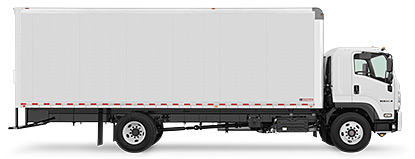


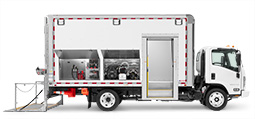

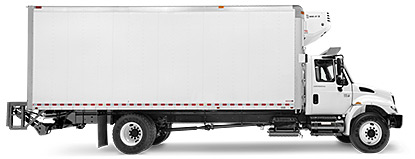
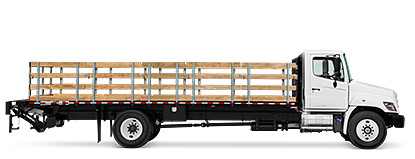
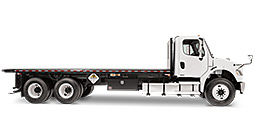


The decision to repair or replace a truck body depends on its structural condition, maintenance history, operational reliability, and overall lifecycle cost.
Repairs are often appropriate when damage is localized and the body remains structurally sound. Examples include replacing doors, flooring sections, lighting, hardware, or exterior panels. More extensive structural damage, repeated repairs, severe corrosion, or changing operational requirements may justify replacing the body instead.
Fleet managers often evaluate repair decisions based on several factors, including vehicle downtime, repair costs relative to replacement cost, expected remaining service life, and whether the existing body continues to support current business needs.
Rather than making decisions based solely on age, many fleets assess the truck body’s condition, safety, and operational value. A well-maintained body may continue providing reliable service for years, while one that experiences frequent repairs may no longer represent the best long-term investment.
 800-666-7426
  Contact Us