
 Canada
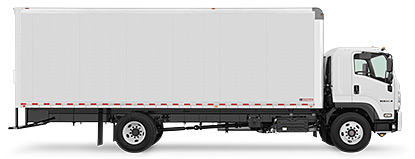
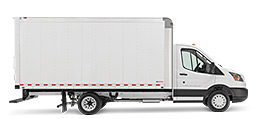

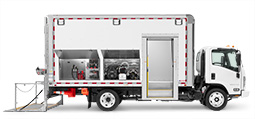

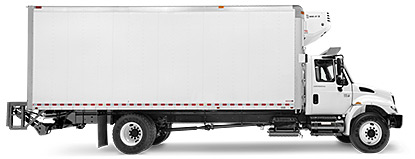
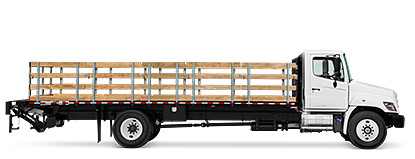
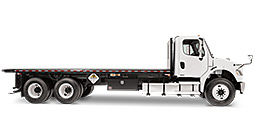


Purchasing truck bodies for a fleet involves balancing operational needs, lifecycle costs, driver productivity, and long-term reliability rather than focusing solely on the initial purchase price.
Fleet managers typically begin by evaluating the intended application, including cargo type, average payload, delivery frequency, loading methods, route conditions, and expected annual mileage. These factors influence body dimensions, materials, flooring, door configurations, liftgate requirements, and cargo management systems.
It’s also important to consider standardization across the fleet. Using similar body specifications can simplify driver training, maintenance procedures, replacement parts inventory, and repair processes. Businesses should also evaluate manufacturer support, service availability, warranty coverage, and the long-term availability of OEM replacement parts.
Vehicle uptime is another key consideration. Selecting durable components, proven construction methods, and readily available service resources can reduce downtime and improve total fleet productivity throughout the vehicle’s service life.
Rather than purchasing based solely on today’s requirements, fleet managers should also consider how future business growth, evolving delivery models, and changing customer expectations may affect vehicle specifications over the coming years.
 800-666-7426
  Contact Us