
 Canada
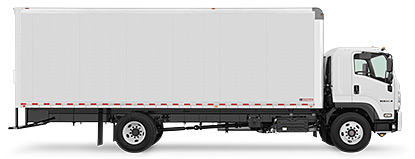
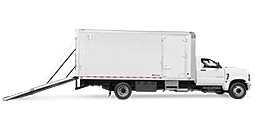
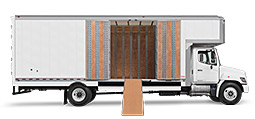
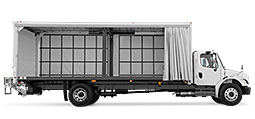
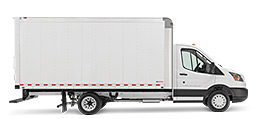
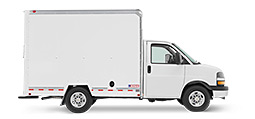
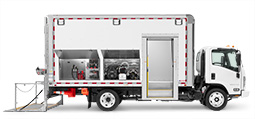
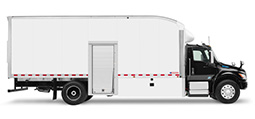
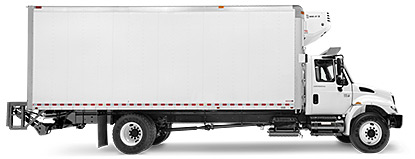
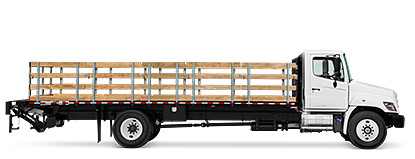
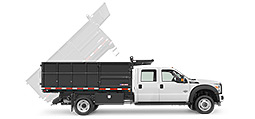
The cost of a dry freight truck body depends on a combination of specifications, materials, optional equipment, and manufacturing complexity. While body length is an important factor, it is only one part of the overall investment.
Construction materials, body dimensions, flooring type, door configuration, liftgates, interior shelving, cargo restraint systems, lighting packages, aerodynamic features, camera systems, and custom paint or graphics all influence the final price. Bodies designed for specialized applications often require additional engineering or custom fabrication, which can further affect cost.
Beyond acquisition costs, businesses should evaluate the total cost of ownership. This includes maintenance expenses, repair frequency, expected service life, fuel efficiency, vehicle downtime, replacement part availability, and resale value. A lower-priced body may not provide the lowest operating cost over many years of commercial use if it requires more frequent repairs or shorter replacement intervals.
When comparing truck body options, consider the value each specification adds to operational efficiency. Features that reduce loading time, improve driver safety, minimize cargo damage, or increase vehicle uptime often provide measurable long-term returns that outweigh their initial cost.
 800-666-7426
  Contact Us