
 Canada






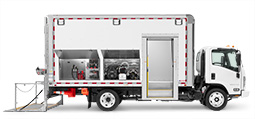






Refrigerated truck bodies are designed to transport products whose quality, safety, or effectiveness depends on maintaining controlled temperatures during transit.
Food products represent the largest application and include fresh produce, dairy products, meat, poultry, seafood, frozen foods, bakery ingredients, prepared meals, beverages, and ice cream. Temperature control helps preserve freshness, reduce spoilage, and comply with food safety regulations throughout the cold chain.
Healthcare and life sciences also rely heavily on refrigerated transportation. Many pharmaceuticals, vaccines, laboratory samples, medical supplies, and biologic products require strict temperature ranges to maintain their effectiveness.
Other common refrigerated cargo includes floral products, specialty chemicals, cosmetics, and certain industrial materials that can be damaged by excessive heat or freezing.
Because each product has unique storage requirements, operators should always follow manufacturer recommendations regarding acceptable temperature ranges, handling procedures, and loading practices rather than assuming all refrigerated cargo requires the same conditions.
 800-666-7426
  Contact Us