
 Canada
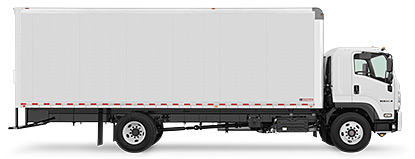
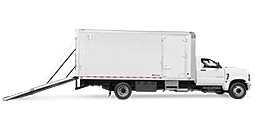
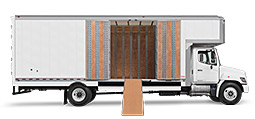
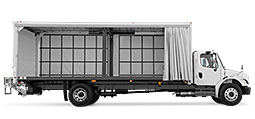
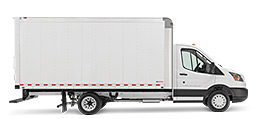
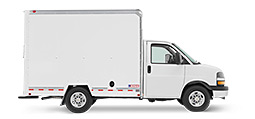
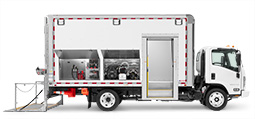
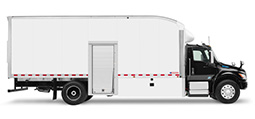
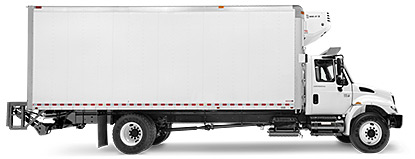
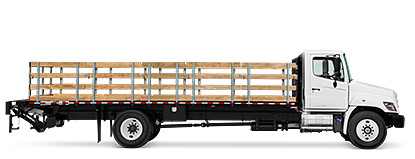
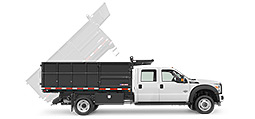
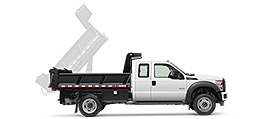
A truck body’s carrying capacity depends on more than the body itself. The allowable payload is determined by the combined capabilities of the chassis, suspension, axles, tires, wheels, and the installed truck body. Exceeding any of these limits can affect vehicle safety, braking performance, and regulatory compliance.
When evaluating payload, distinguish between cargo volume and cargo weight. A large body may have ample space for bulky items but still be limited by the vehicle’s Gross Vehicle Weight Rating (GVWR), which is the maximum allowable weight of the fully loaded truck, including the vehicle, body, cargo, fuel, and occupants.
The weight of optional equipment—such as liftgates, shelving, refrigeration systems, or additional cargo restraints—also reduces available payload. Fleets that routinely transport dense materials should pay particular attention to floor strength and weight distribution to avoid concentrated loading that can damage the body or chassis.
Selecting the appropriate body and chassis combination ensures safe operation while maximizing usable payload for the intended application.
 800-666-7426
  Contact Us