
 Canada
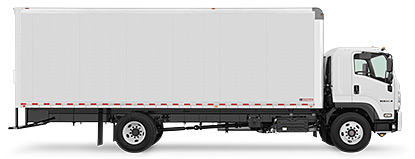





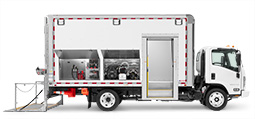



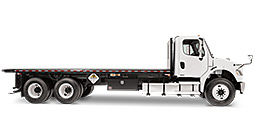


Truck body weight directly influences payload capacity, fuel consumption, braking performance, and overall vehicle efficiency. Every pound added to the truck body reduces the amount of cargo the vehicle can legally carry within its Gross Vehicle Weight Rating (GVWR).
Lighter body construction may allow fleets to transport additional payload without changing chassis size, which can improve productivity for weight-sensitive operations. However, reducing weight should never compromise structural integrity or durability.
Vehicle weight also affects handling characteristics, acceleration, stopping distance, and operating costs over thousands of delivery miles. For fleets operating numerous vehicles, even relatively small weight reductions can produce measurable operational benefits over the vehicle’s service life.
Manufacturers balance weight reduction with structural performance by selecting materials and engineering designs appropriate for the intended application rather than pursuing the lightest possible construction.
 800-666-7426
  Contact Us